Foot & Toe Treatment
Hands-on treatment for a full range of foot and toe conditions — from everyday nail and skin problems to more complex tissue and circulation concerns.
The conditions below are some of the most common presentations seen in practice. If you have a concern that isn't listed, get in touch — chances are it can be assessed and treated. Many foot conditions are left too long because people assume they'll resolve on their own. Early care leads to faster recovery and better outcomes.
Book an Appointment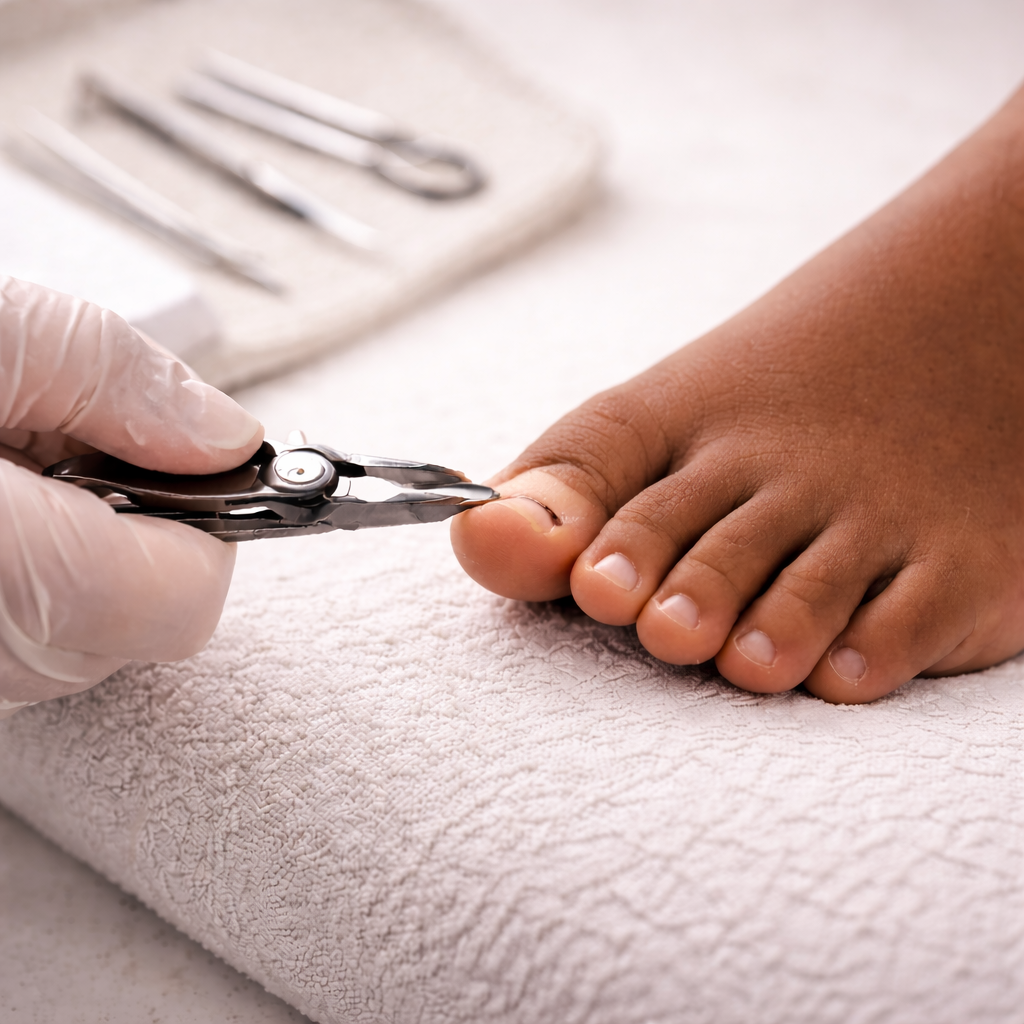
Ingrown Toenails
An ingrown toenail occurs when the edge of the nail grows into the surrounding skin, causing pain, swelling, and sometimes infection. They most commonly affect the big toe and can make everyday activities like walking or wearing shoes genuinely difficult.
Treatment depends on severity. For milder cases, conservative care — careful nail trimming, debridement, and packing — is often sufficient. For persistent or recurrent ingrown nails, a minor in-chair procedure called a partial nail avulsion (PNA) can permanently resolve the problem. This procedure is performed under local anaesthetic and has a very high success rate.
- Conservative care for early-stage ingrown nails
- Partial nail avulsion (PNA) for recurring cases
- Wound care and infection management
- Advice on footwear and nail cutting technique to prevent recurrence
Fungal Infections
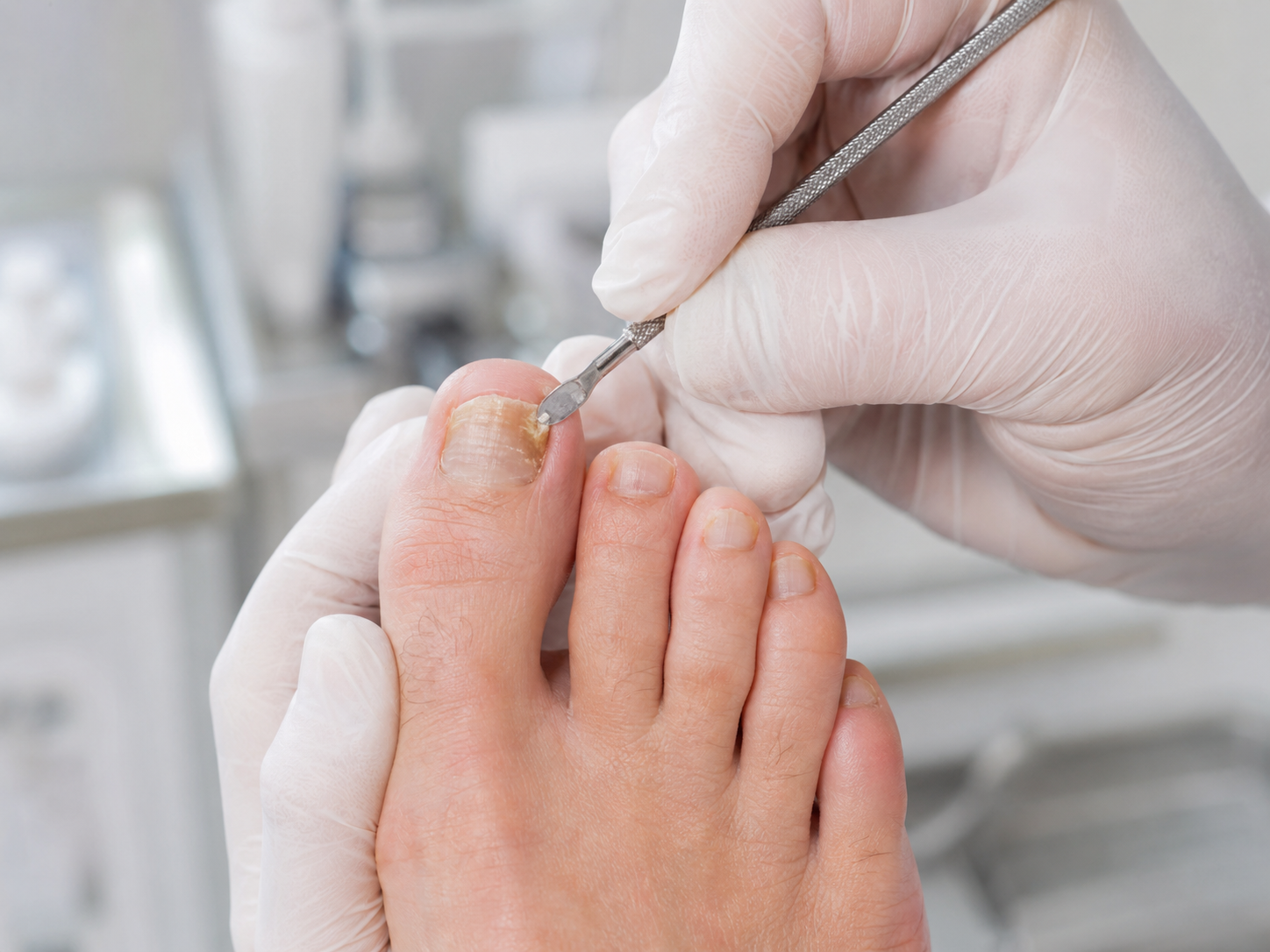
Fungal infections of the foot — commonly known as athlete's foot (tinea pedis) — thrive in warm, moist environments and can spread easily. Symptoms include itching, burning, peeling skin, and redness, typically between the toes or on the sole of the foot.
Left untreated, fungal infections can spread to the toenails (onychomycosis), causing thickening, discolouration, and brittleness that is considerably harder to treat.
- Diagnosis and assessment of skin and nail involvement
- Topical and oral antifungal treatment planning
- Nail debridement to improve treatment penetration
- Hygiene and footwear advice to prevent reinfection
Wound Care & Gangrene
Poor circulation, diabetes, and peripheral vascular disease can impair the foot's ability to heal, making even minor wounds serious. Gangrene — the death of tissue due to loss of blood supply or severe infection — is a medical emergency, but early podiatric intervention plays a critical role in preventing its development.
Angelica provides ongoing wound assessment and management for patients at risk, working alongside GPs and vascular specialists where needed to ensure coordinated, timely care.
- Diabetic foot assessment and ulcer management
- Wound debridement and dressing
- Circulation and sensation monitoring
- Referral and care coordination for complex vascular presentations
- Offloading footwear and pressure relief to promote healing
If you have diabetes or known circulation problems and notice any wound, discolouration, or skin change on your feet, please seek assessment promptly.
Other Conditions We Treat
The above are some of the most common reasons patients visit, but podiatric care extends well beyond them. Angelica regularly treats a broad range of foot and toe conditions, including:
- Corns and calluses
- Plantar warts (verrucae)
- Blisters and skin fissures
- Heel pain and plantar fasciitis
- Bunions and hammertoes
- Nail conditions including thickened, damaged, or discoloured nails
- Chilblains and skin sensitivity conditions
- Paediatric foot concerns
If you're unsure whether your concern falls within podiatric care, book an appointment anyway — assessment is always the right first step.
"Foot problems rarely resolve on their own — but with the right care, most are very treatable. Don't wait."Book an Appointment